
The Uses of Turmeric: Digestion and Circulation in Traditional Chinese Medicine
Turmeric has become more and more popular over the years. Curcumin, the best known compound in turmeric, is widely studied for its effects on inflammation and as an antioxidant.
Turmeric has also been part of the Indian diet for centuries. Some researchers have noted that India has lower rates of Alzheimer's disease than many Western countries, and have wondered whether regularly eating turmeric could be one of the reasons. It is an interesting observation, although research is still ongoing.
TURMERIC IN TRADITIONAL CHINESE MEDICINE
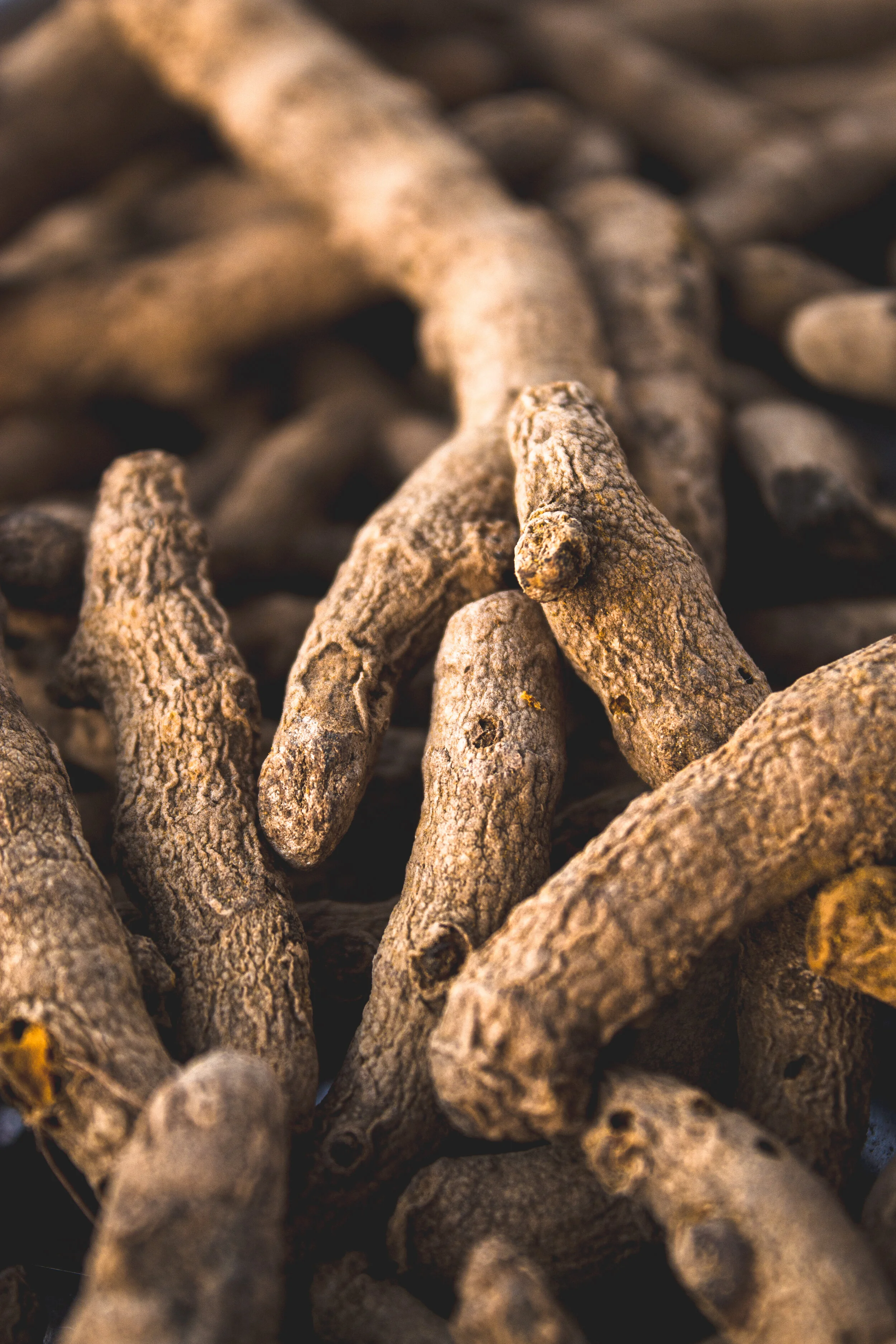
Turmeric, known in Chinese medicine as Jiang Huang (薑黃), also has thousands of years of history in TCM. It is a warming herb, and it is traditionally valued for two main properties: supporting the digestive system and promoting circulation in the body.
SUPPORTING DIGESTION
The first property helps explain why turmeric is so widely used in Indian cooking. In hot and humid weather, many people find their appetite drops and digestion feels sluggish. Turmeric and the other warming spices in curry have traditionally been used to help support the digestive system in these conditions.
PROMOTING CIRCULATION
The second property, promoting circulation, is where turmeric offers many potential benefits. In TCM, smooth circulation of Qi (the body's vital energy) and blood is seen as essential for the body to restore itself and function well.
This may also connect to what modern research is exploring. Studies have looked at whether turmeric intake may be linked to a lower risk of diabetes and vascular disease, and some researchers believe better blood flow to the brain could be part of the Alzheimer's connection. Turmeric is also commonly used to help ease joint pain.
A NOTE ON SUPPLEMENTS
Cooking with turmeric is generally gentle, but concentrated supplements are a different matter. If you are pregnant, take blood thinners or other medications, or have liver or gallbladder concerns, please talk to a health professional before taking turmeric supplements.
This article is for general educational purposes only and is not a substitute for professional medical advice, diagnosis or treatment. If you have a health concern, please consult a qualified health professional.
