Why Sleep Breaks at 2 AM, and What Chinese Medicine Sees in It
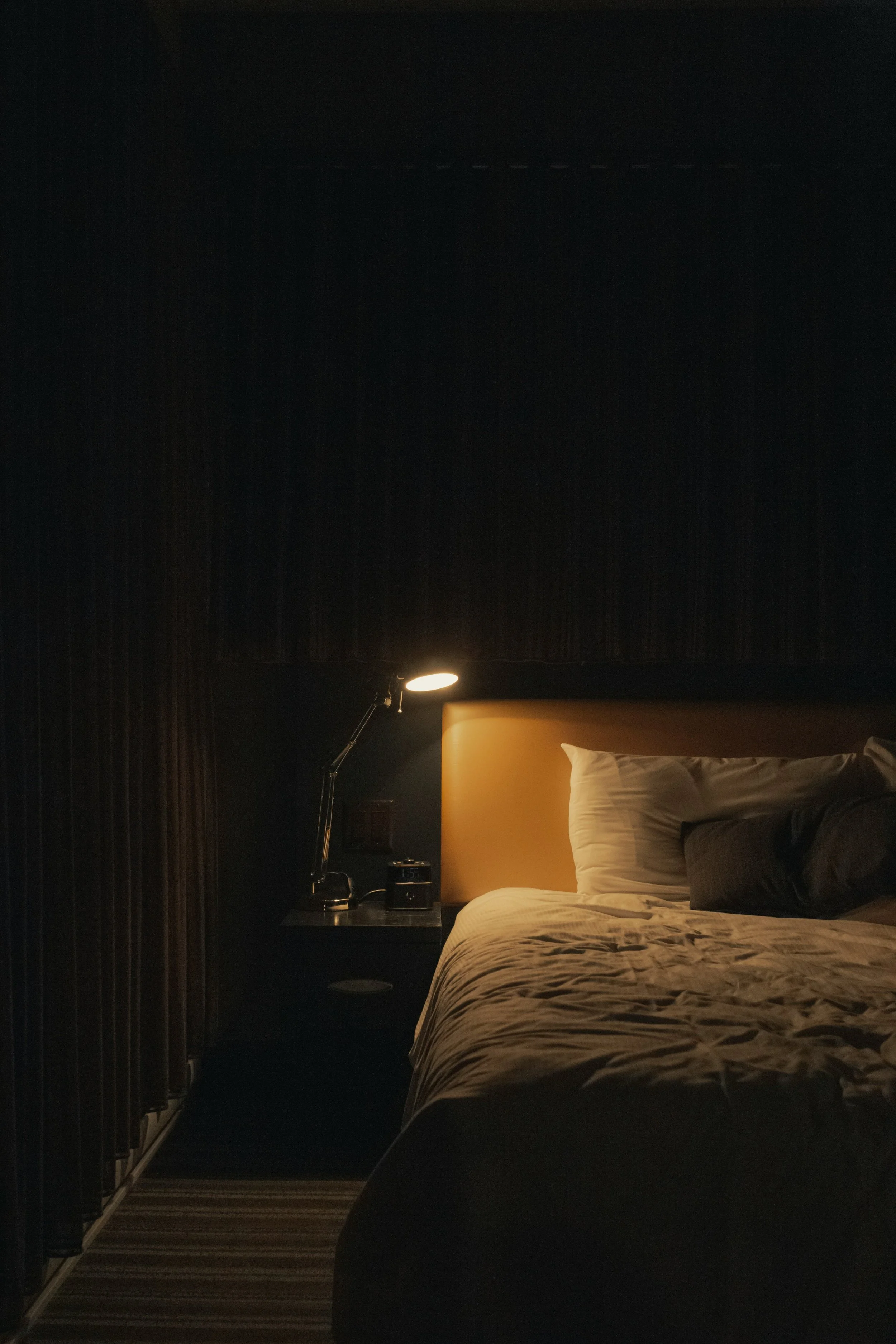
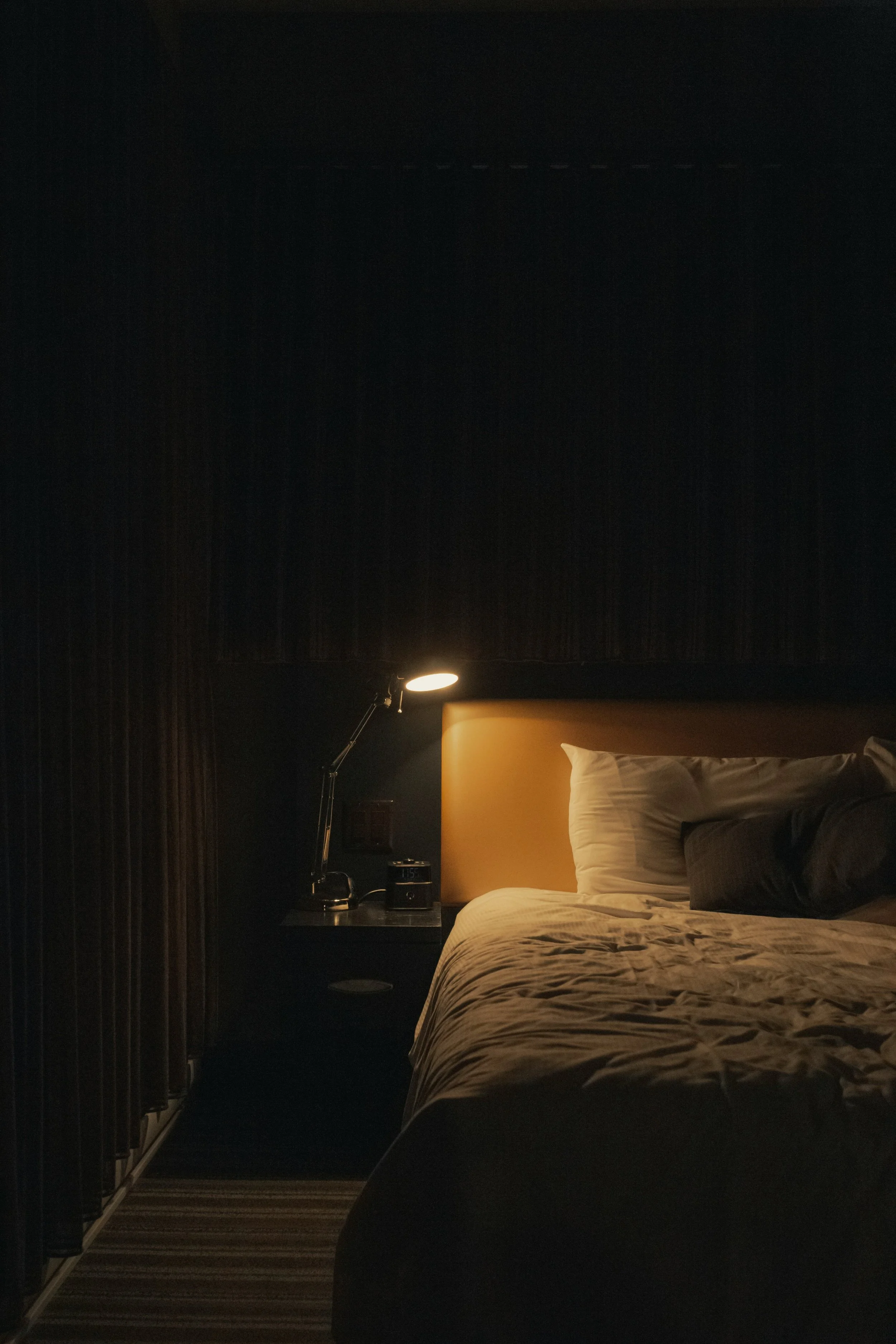
"Why do I keep waking up at 2 AM?" It's one of the questions I hear often from people and in my practice. Usually nothing is wrong in that moment. No pain, no bad dream. You're just awake, and it's hard to drift back off.
Even modern science doesn't have one neat definition of sleep. We describe what we can see: the nervous system slows down, the eyes close, awareness fades. Chinese medicine asks a different question: what does the body need in order to truly rest?
WHAT HAPPENS BETWEEN 1 AND 3 AM
In Chinese medicine, part of our spirit, called the Hun (魂), rests in the Liver at night. The classics put it simply: when we lie down, blood returns to the Liver (人臥血歸於肝). I often describe sleep to clients as the body coming home at the end of the day.
TCM also has a kind of body clock, where each organ system takes its turn being most active. From 1 to 3 AM, it's the Liver's turn. So when the Liver is under strain, this is often when sleep breaks. (In TCM, the Liver is a wider system that keeps our energy and emotions moving, not only the organ a blood test measures.)
The emotion most closely tied to the Liver is anger. When someone tells me they wake between 1 and 3 AM, one of the first things I ask about is stress and frustration. Quite often, there's something they've been holding in for a while.
IT'S RARELY JUST THE LIVER
Still, sleep is rarely about one organ. A busy mind unsettles the Heart (心), which houses the spirit. Long stretches of overwork drain the Kidney (腎), our deepest reserve. And the Huangdi Neijing (黃帝內經) says it plainly: when the stomach is not at peace, sleep is not peaceful (胃不和則臥不安). A big dinner eaten late is one of the common reasons I see for restless nights.
That's why, when a client comes in about sleep, I look at the whole picture, not just the hour they wake up. With the right support and some patience, many people find their way back to more restful nights. A lighter, earlier dinner and a bit of quiet time before bed, away from screens, are good places to start.
If poor sleep has gone on for a while, or comes with heavy snoring, daytime sleepiness or changes in mood, please also check in with your doctor.
This article is for general educational purposes only and is not a substitute for professional medical advice, diagnosis or treatment. If you have a health concern, please consult a qualified health professional.